The climate is idyllic. In the lowlands -which are dry in the Pacific Northwest and humid elsewhere- daytime temperatures range in the eighties to nineties F° (high twenties to mid-thirties C°). Usually in the seventies F° (low to mid-twenties C°) at middle elevations, the mercury can fall as low as the forties and fifties F° (five to mid-tens C°) at the top of the mountains. Costa Rica can be broadly categorized into four major climatic zones:
The wet lowlands:
The Caribbean and the Southern Pacific lowlands have short dry seasons and high temperatures. Rainfall is usually lighter along the coast, increasing proportionally as it moves further inland and altitude increases.
Lowlands with a dry season:
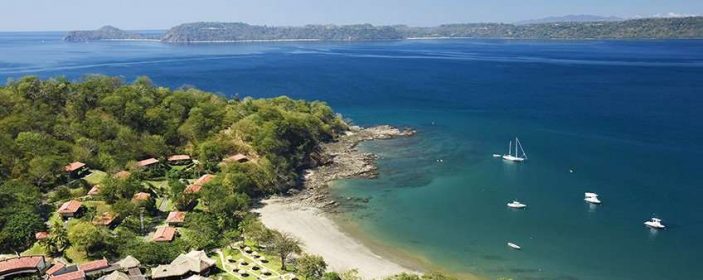
Most of the Guanacaste province and some of Puntarenas have high temperatures and a long dry season.
Temperate climate:
Areas located between 3,000 - 5,000 feet above the sea level, such as the Central Valley, have defined dry seasons and the most comfortable of the climates.
Mountain climate:
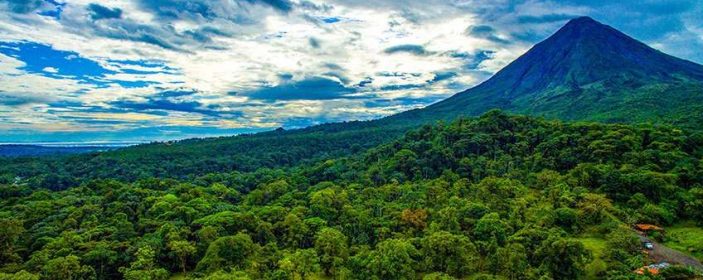
Any area at an altitude higher than 5,000 feet has cooler temperatures. At altitudes over 10,000 feet, even reaches the freezing point. The weather is usually humid, with occasional fog or frost.
Annual Rainfall for Major Areas:
| Central Valley: |
1.100-2.500 mm |
43-98 inches |
| Northern Pacific: |
1.400-4.300 mm |
55-98 inches |
| Central Pacific: |
2.300-4.300 mm |
91-169 inches |
| Southern Pacific: |
2.300-4.000 mm |
91-157 inches |
| Atlantic Region: |
2.000-4.500 mm |
79-177 inches |
The Northwest has a fairly well-defined dry season ("verano" or summer) December to April. The dry season is a month or two shorter along the southern Pacific coast. July also tends to be a dry month on the Pacific slope.
Welcome rains during the rest of the year bring about a general greening and freshen the countryside. Rains usually come in afternoon thunder-storms, leaving; the mornings sunny and the night sky filled with stars.
This period is called "invierno" (winter or rainy season) or "temporada verde" (green season). Rainfall on the Caribbean slope is more evenly distributed throughout the year, with marked dry periods from May through June and again from September through October.